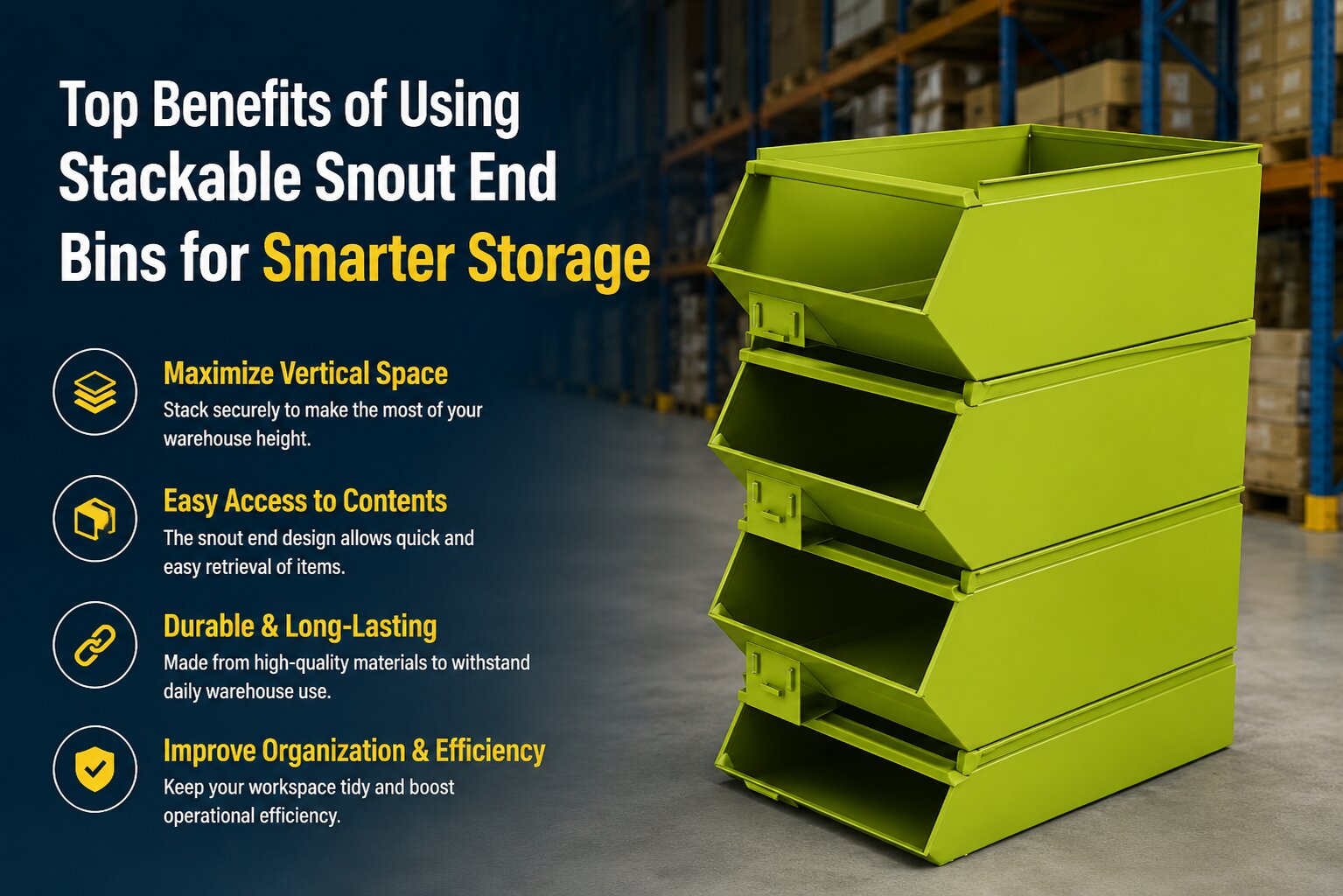
Modern warehouses and manufacturing facilities continuously face the challenge of maximizing storage capacity while maintaining organized and efficient operations. As inventory volumes grow, businesses require durable and space-saving storage systems that improve accessibility, material handling, and warehouse productivity. One of the most effective solutions for organized industrial storage is Stackable Snout End Bins. Designed for high-density storage and easy material access, these industrial storage bins and steel storage bins help businesses optimize warehouse space, improve workflow efficiency, and reduce operational delays. Companies like Stakall provide high-performance industrial storage solutions that are built for strength, durability, and smart warehouse management.
Stackable Snout End Bins are heavy-duty industrial storage containers specially designed for storing small and medium-sized components such as:
1) Nuts & bolts
2) Fasteners
3) Electrical parts
4) Machine components
5) Automotive spare parts
6) Industrial tools
Their open-front “snout” design allows quick and easy access to materials even when bins are stacked, making them highly efficient for fast-moving industrial operations.
These bins are widely used in:
1) Warehouses
2) Manufacturing units
3) Automotive industries
4) Engineering workshops
5) Logistics centers
Efficient warehouse space utilization directly impacts operational productivity, inventory management, and storage costs.
|
Common Warehouse Challenges |
Impact on Operations |
|
Limited storage space |
Reduced inventory capacity |
|
Poor organization |
Slower material handling |
|
Cluttered aisles |
ncreased safety risks |
|
Difficult inventory tracking |
Operational delays |
|
Inefficient storage systems |
Higher labor costs |
Stackable Snout End Bins help businesses overcome these challenges by improving storage organization and maximizing available warehouse space.
1. Vertical Space Utilization
One of the biggest advantages of Stackable Snout End Bins is their ability to efficiently utilize vertical warehouse space.
Instead of occupying excessive floor space, these bins can be stacked securely, allowing businesses to store more inventory within limited warehouse space.
Benefits of Vertical Storage:
1) Increased storage capacity
2) Better floor space utilization
3) Reduced warehouse congestion
4) Improved operational efficiency
2. Easy Access to Stored Materials
The open-front snout design allows workers to access materials quickly without removing stacked bins.
|
Feature |
Operational Advantage |
|
Open-front design |
Faster picking operations |
|
Stackable structure |
Better storage organization |
|
Label-friendly design |
Easier inventory tracking |
|
Durable metal construction |
Long-term industrial use |
This significantly reduces material searching time and improves workflow productivity.
3. Improved Warehouse Organization
Disorganized inventory often leads to operational inefficiencies and material handling errors. Stackable Snout End Bins provide systematic storage for industrial components, ensuring better inventory management and organized warehouse operations.
Common Applications:
1) Spare parts storage
2) Tool organization
3) Component segregation
4) Inventory management
5) Industrial material handling
|
Industry |
Application |
|
Automotive |
Spare parts storage |
|
Engineering |
Tool organization |
|
Warehousing |
Inventory management |
|
Manufacturing |
Component storage |
|
Logistics |
Material handling |
These bins help industries improve storage density while maintaining operational efficiency and organized workflows.
Selecting the right storage solution is important for long-term operational performance.
1) Load carrying capacity
2) Bin dimensions
3) Material quality
4) Corrosion resistance
5) Stackability design
6) Powder-coated finish
Choosing high-quality industrial storage products from experienced manufacturers ensures better durability and long-term reliability.
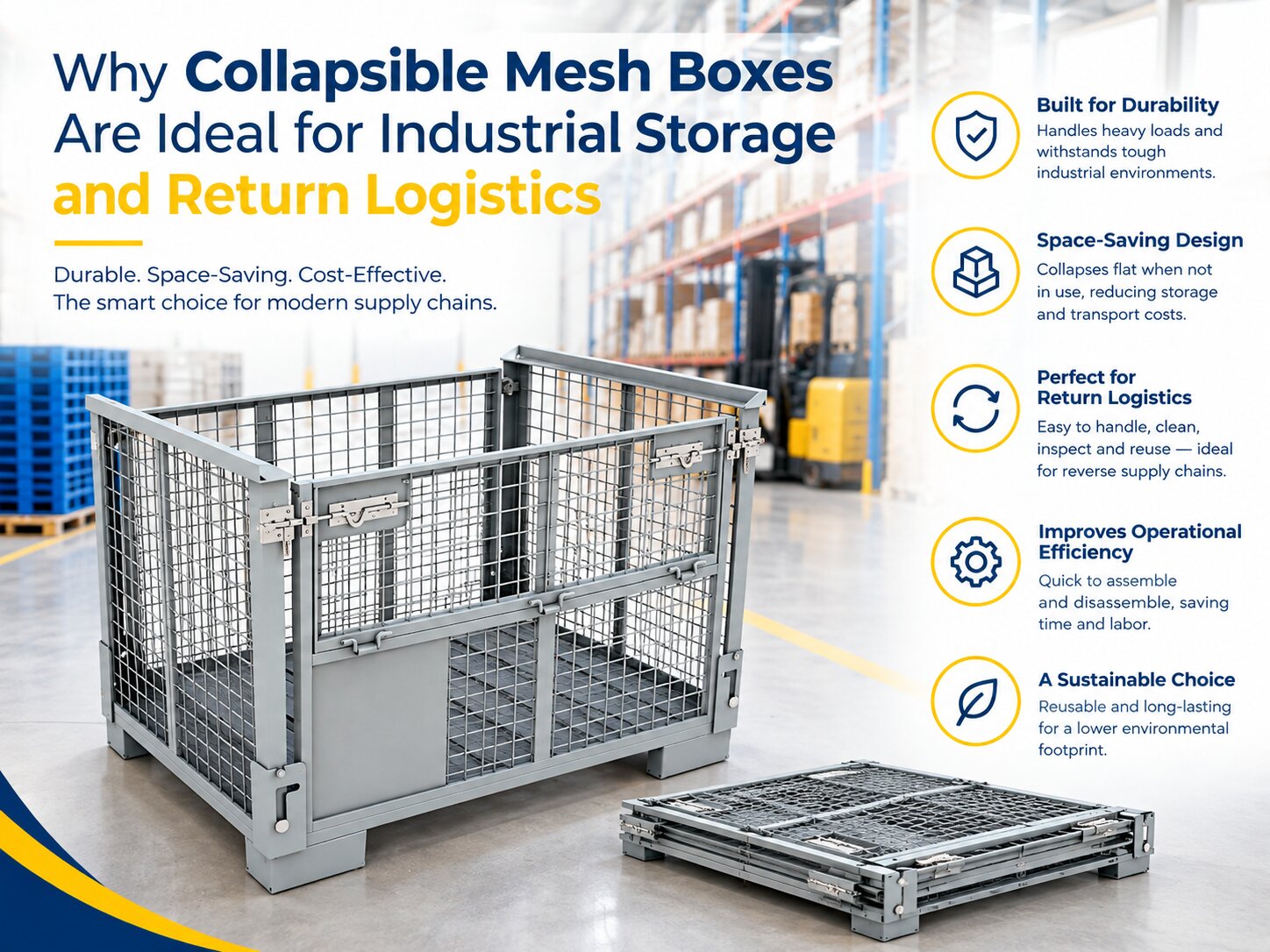
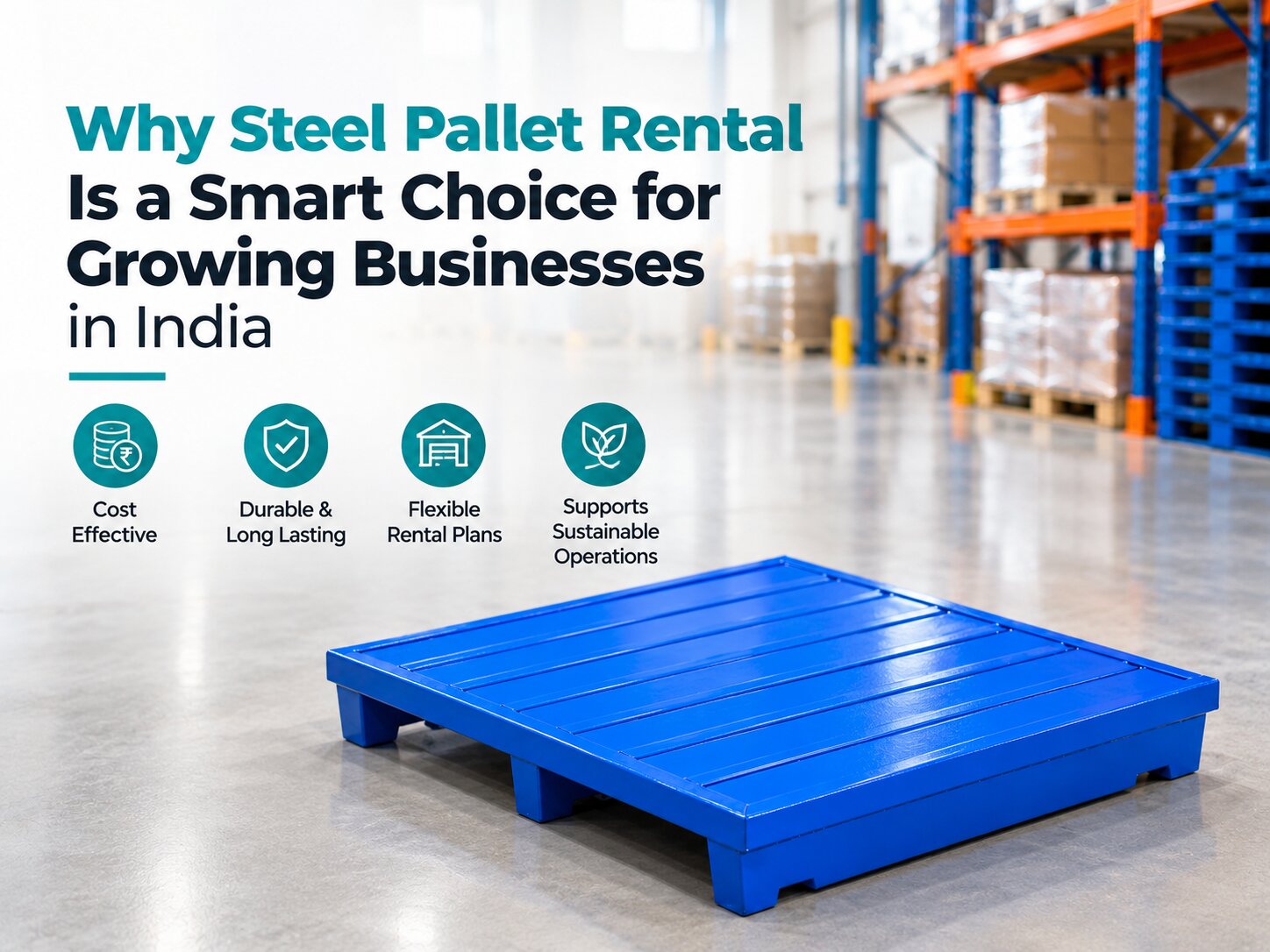
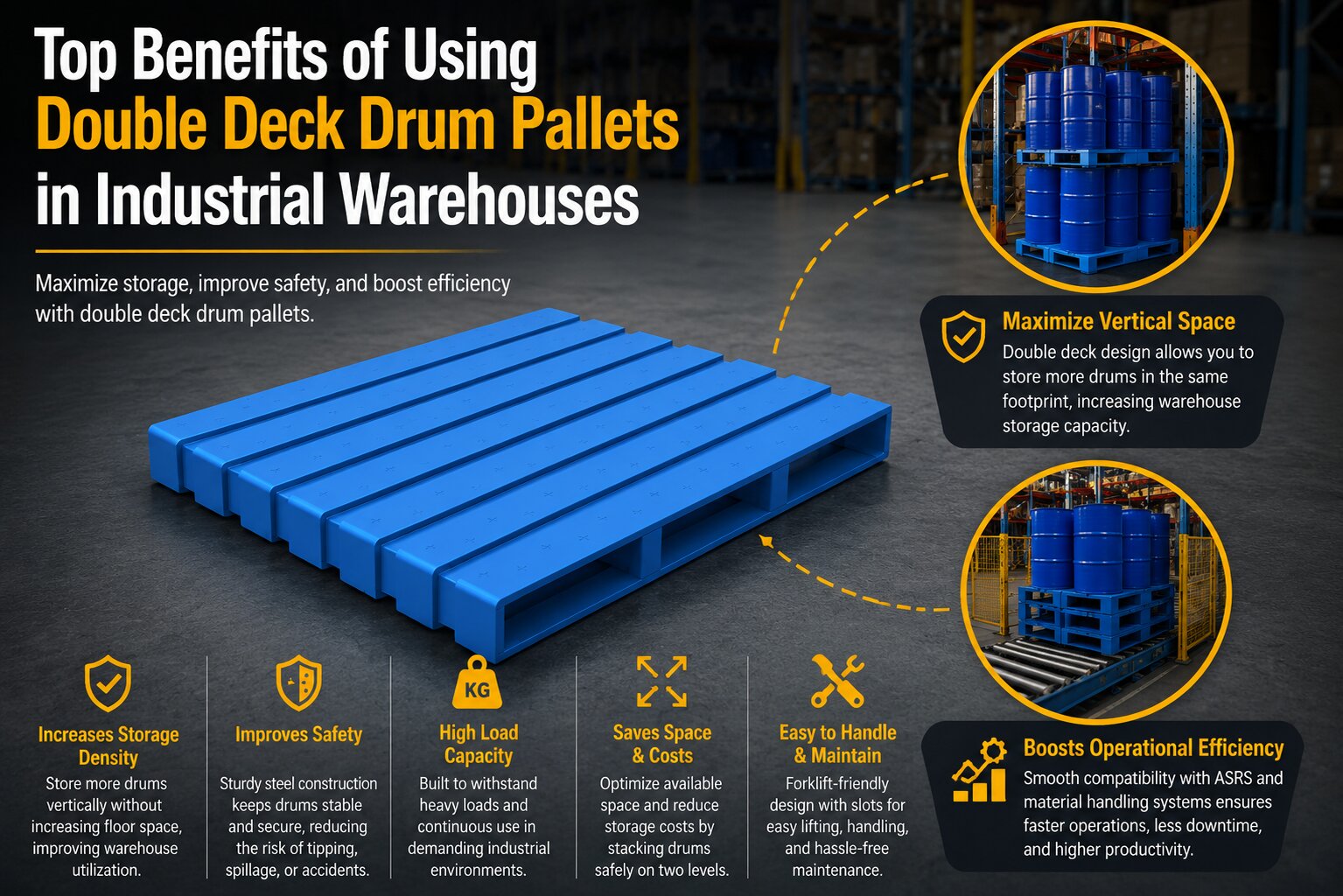
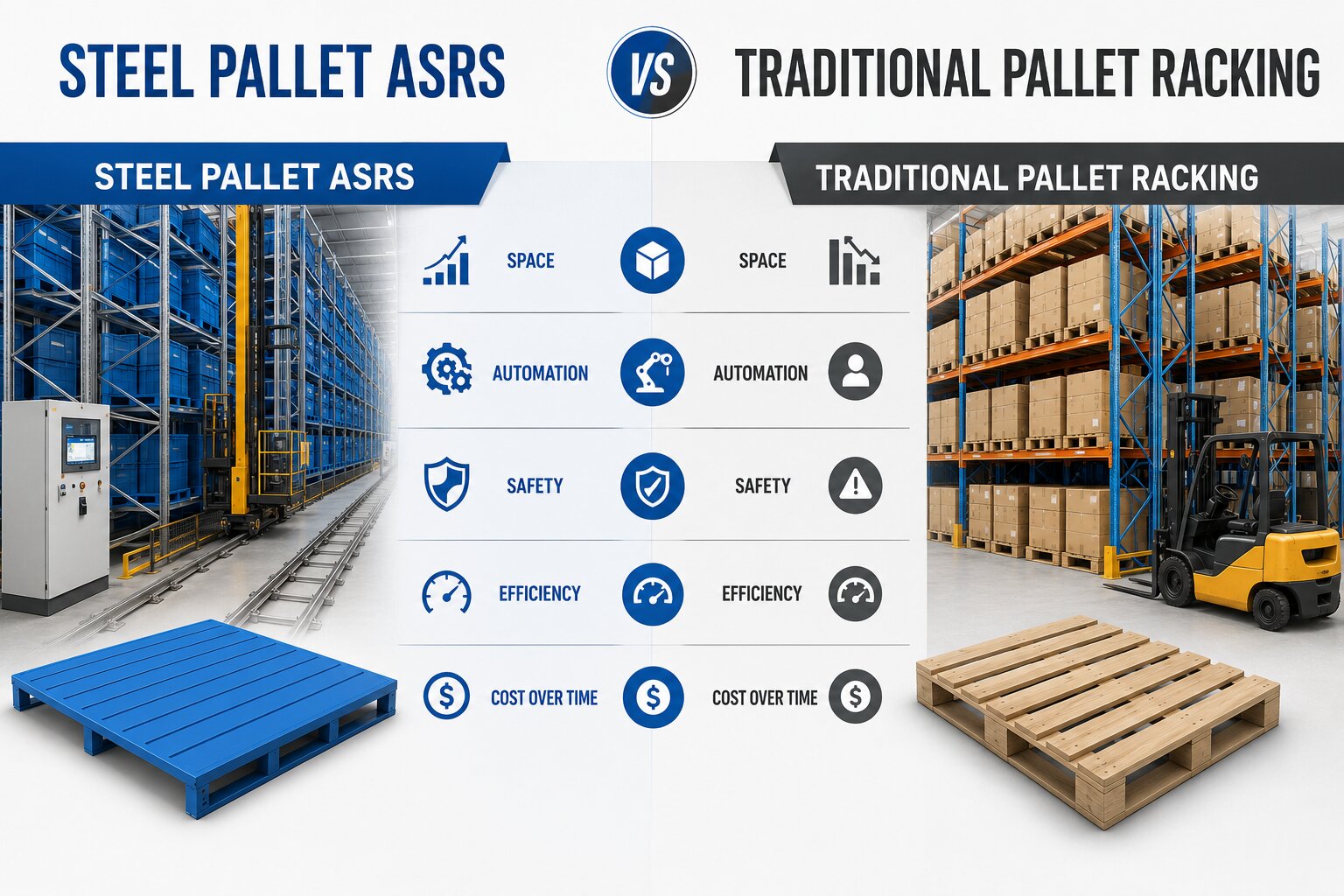
STAKALL specializes in manufacturing durable and high-performance industrial storage systems including:
1) Stackable Snout End Bins
2) Steel Pallets
3) Metal Storage Bins
4) Cage Bins
5) Warehouse Storage Solutions
Our products are engineered to improve warehouse organization, material handling efficiency, and long-term operational productivity across industries.
Efficient warehouse management starts with smart storage solutions. Stackable Snout End Bins help businesses maximize warehouse space, improve inventory organization, and streamline material handling operations. Their stackable design, easy accessibility, and heavy-duty construction make them ideal for modern industrial environments.
When combined with durable storage systems from trusted Steel Pallets Manufacturers and experienced Metal Pallets Manufacturers like STAKALL, businesses can significantly improve storage efficiency, operational productivity, and warehouse safety. Investing in high-quality industrial storage solutions not only optimizes warehouse space but also supports long-term business growth and operational excellence.
Q1. What are Stackable Snout End Bins used for?
They are used for storing industrial components, tools, fasteners, spare parts, and hardware materials in warehouses and manufacturing facilities.
2. How do Stackable Snout End Bins maximize warehouse space?
Their stackable design enables efficient vertical storage, helping businesses increase storage capacity within limited floor space.
3. Why are metal storage bins better than plastic bins?
Metal bins offer higher durability, better load capacity, corrosion resistance, and longer service life.
4. Which industries use Stackable Snout End Bins?
Automotive, engineering, manufacturing, warehousing, and logistics industries commonly use these bins.
5. What factors should businesses consider before buying Snout End Bins?
Businesses should evaluate load capacity, dimensions, material quality, corrosion resistance, and stackability features.
7. Why choose Stakall for industrial storage solutions?
Stakall offers durable, high-quality industrial storage systems designed for efficient warehousing, material handling, and long-term industrial use.